
While you spend the summer months pampering your lawn and ensuring it gets plenty of water, the same can’t be said for the winter months. As colder temperatures arrive on the Wasatch Front, your grass goes dormant, reducing its need for regular moisture. What little moisture it does need generally arrives via regular rain or snowmelt.
If winter is rapidly approaching, you may turn your attention away from your lawn, but you shouldn’t do that just yet. Sprinkler winterization is an essential part of protecting your lawn through the coldest months of the year. Failing to winterize your sprinkler system can result in major damage to the system and landscaping.
In this blog, we’ll explore the importance of sprinkler winterization, common winterization mistakes, and why you need to schedule repairs with a trusted landscaping team.
Why Sprinkler Winterization Matters Along the Wasatch Front
Northern Utah is known for its bitterly cold winters. From November through March, the state experiences regular temperatures well below freezing. That’s why sprinkler winterization is so crucial. If you fail to winterize your sprinkler system before freezing temperatures arrive, you may find yourself dealing with major damage.
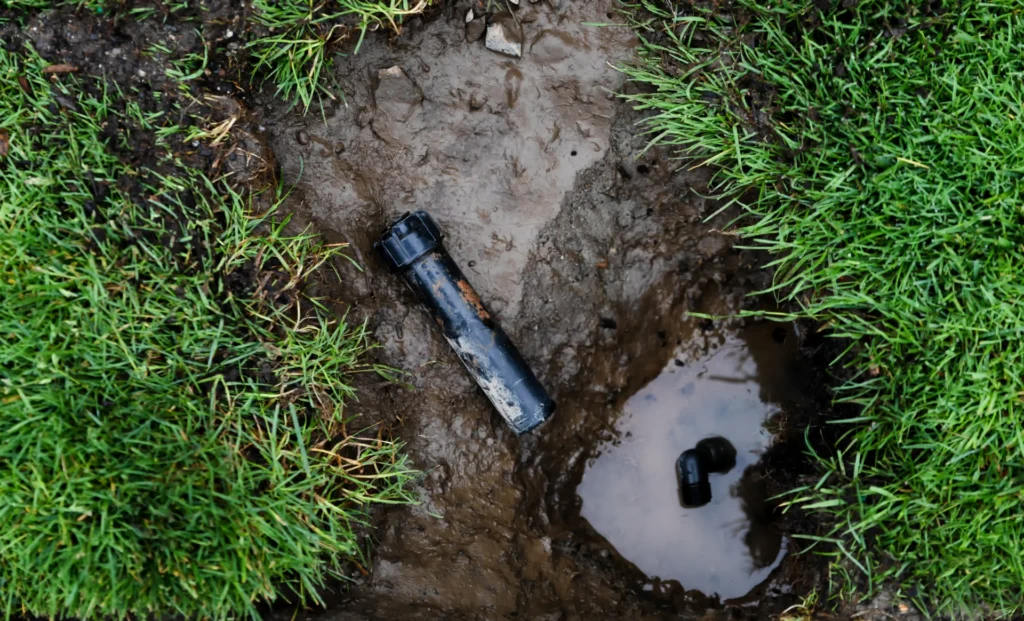
Freezing temperatures can cause trapped water within the system to expand. Over time, this can lead to cracked lines, burst valves, and broken sprinkler heads. In some cases, you may not even realize this damage has occurred until you try to use your sprinkles again in the spring. However, the problems go beyond the sprinkler system.
Burst systems can allow water to flow rapidly, pooling near your home’s foundation and seeping into your basement or crawl space. This can leave you with structural water damage, ruined drywall, and potential mold growth. If you want to avoid this, sprinkler winterization is an essential step in your fall landscaping routine.
When to Winterize Your Sprinkler System in Northern Utah
While you might understand how important sprinkler winterization is, you may be unsure of when to begin this process. Homeowners in Utah County should ensure they are winterizing their sprinkler system before the first freeze date. The freeze date is the first day in the autumn when temperatures drop below 32°F.
In Northern Utah, the freeze date generally falls in mid-October, between October 11 and October 20. While it can be difficult to pin down exactly when the first freeze will occur, especially in years like 2026 where the Farmer’s Almanac anticipates that the state will experience abnormally warm fall temperatures, prompt sprinkler winterization is still crucial.
If you want to ensure you’re winterizing the system at an appropriate time, it is best to perform this task near the beginning of October. By November, the Wasatch Front is generally blanketed by much cooler temperatures. Even if the state is expecting warmer temperatures this year, winterization in October is best for your property.
Step-by-Step: How to Prepare Your Sprinklers for Freezing Temperatures
The most important part of sprinkler winterization is ensuring you’re doing it properly. If you’ve never done this before, you want to ensure you’re following each step as closely as possible. If you are going to begin sprinkler winterization, it should goes as follows:
- Turn Off Your Water Supply: The first step in sprinkler winterization is turning off the water supply to the system. In addition to turning off the water supply, you should turn off the automatic sprinkler controller or set the system to off.
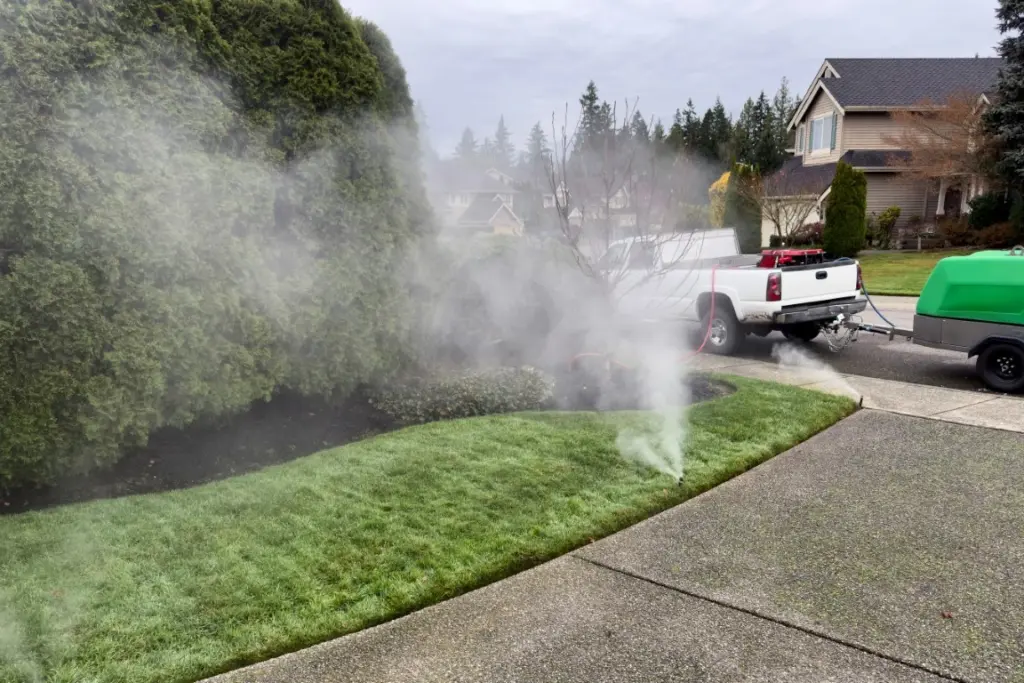
- Drain or Blow Out Water: From here, open the manual drain valve, located at the lowest point of your system, and let the water drain out. If colder weather has arrived, consider using an air compressor to clear the line of any remaining water.
- Protect Above-Ground Parts: Insulate exposed components like backflow preventers, valves, and main shut-off pipes using foam covers, insulation tape, or burlap wraps. This shields vulnerable fittings from freezing temperatures and harsh winter winds.
Common Winterization Mistakes That Can Lead to Frozen Pipes
If this is the first time you’ve ever performed sprinkler winterization, you want to ensure you’re being incredibly thorough. Failing to follow the appropriate steps can result in major problems and headaches during winter. Thankfully, if you know the most common sprinkler winterization mistakes, you can ensure you’re avoiding them. Some of the most common mistakes include:
- Leaving Hose Attached: Trapped water in your attached hose can freeze back into the spigot, cracking the pipe in the wall.
- Incorrect Air Pressure: If you apply too much compressed air during a blowout, you can rupture the line or blow apart fittings, leaving water behind.
- Forgetting to Shut Off System: Don’t forget to turn off automatic timers or set the system to off to prevent it from running during freezing temperatures.
- Leave Backflow Preventer Open: If you don’t close the appropriate parts on your sprinkler system, water can accumulate, leading to major damage.
- Winterizing Too Late: You should avoid waiting until after the first freeze to winterize, as even one freeze can damage your sprinkler system.
The Importance of Prompt Professional Sprinkler Repairs
Although sprinkler winterization is incredibly important, it can be difficult to completely avoid damage to your system. When that occurs, prompt sprinkler repairs are crucial. But, beyond ensuring you’re repairing your sprinklers promptly, you also want to ensure you’re choosing to work with a trusted team of professionals for these repairs.
It can be incredibly tempting to do these repairs on your own. However, DIY sprinkler repairs often result in worsening damage, misdiagnosing more complex problems, or accidentally striking an underground utility. Not only will this cause you major headaches, but it can also lead to much more costly and time consuming repairs.
Professionals, on the other hand, can make accurate repairs from the start. With their support, you can avoid wasting water, protect your landscaping, and prevent minor leaks from turning into much more significant problems. If you’re experiencing damaged sprinklers, don’t wait. Contact a trusted team of professionals for support.
Schedule Professional Sprinkler Repairs in Mapleton, UT
While sprinkler winterization is an incredibly important part of protecting your lawn, some mistakes are unavoidable. When damage arises, our team at Total Yard Pro is here to support you when that happens. With years of experience helping homeowners just like you, we’re confident that our Mapleton based team can make prompt, reliable repairs to restore the function of your property’s sprinkler system. From minor cracks to major bursts, we have the training and tools to repair it all.
If you would like to schedule sprinkler repairs for your Utah County property, don’t hesitate to reach out to us today.